आपके व्यवसाय को 2026 में एक डिजिटल मार्केटिंग रणनीति क्यों चाहिए
बिना योजना के सोशल मीडिया पर पोस्ट करना कोई रणनीति नहीं है। यहां बताया गया है कि 2026 में वास्तविक व्यावसायिक परिणाम प्राप्त करने के लिए एक समेकित डिजिटल मार्केटिंग दृष्टिकोण कैसे बनाया जाए।
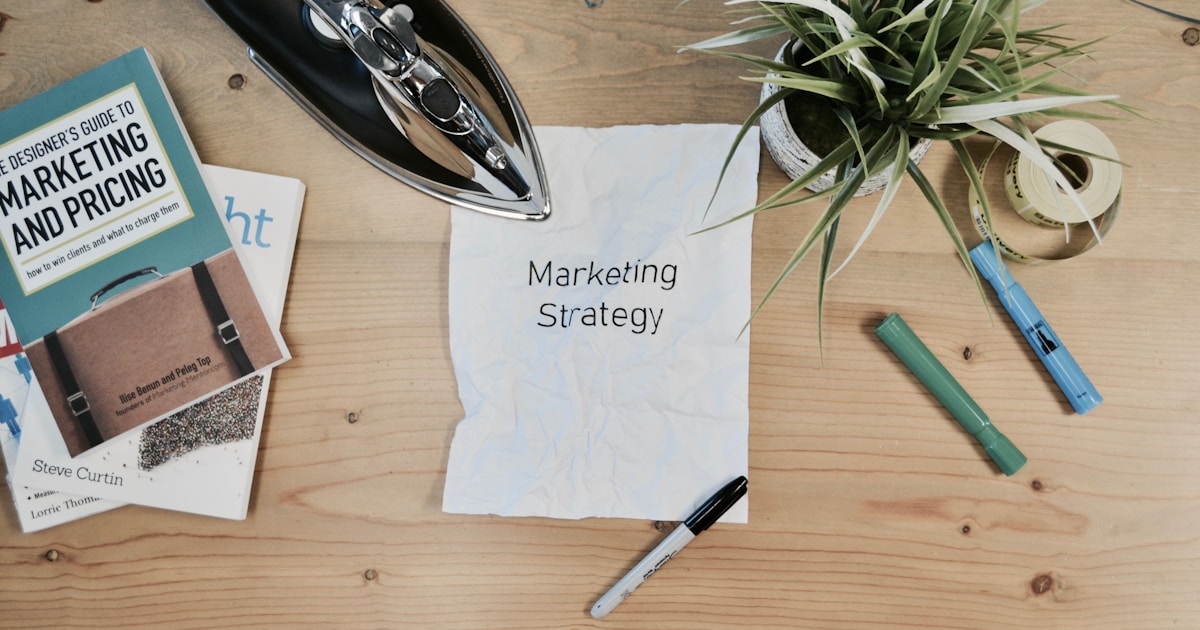
रणनीति के बिना गतिविधि सिर्फ शोर है
कई व्यवसाय डिजिटल मार्केटिंग गतिविधि को डिजिटल मार्केटिंग रणनीति समझ बैठते हैं। वे सप्ताह में कुछ बार सोशल मीडिया पर पोस्ट करते हैं, कभी-कभी Google Ads चलाते हैं, या जब समय मिलता है तो ब्लॉग पोस्ट प्रकाशित करते हैं। एक समन्वित योजना के बिना, ये प्रयास या तो बेहद बिखरे हुए परिणाम देते हैं या बदतर स्थिति में बजट की बर्बादी करते हैं।
एक डिजिटल मार्केटिंग रणनीति हर क्रिया को एक उद्देश्य प्रदान करती है। यह आपके मार्केटिंग चैनलों को जोड़ती है, उन्हें व्यावसायिक उद्देश्यों के साथ जोड़ती है, और एक ऐसी प्रणाली बनाती है जिसे आप समय के साथ माप और सुधार सकते हैं।
बहु-चैनल वास्तविकता
आपके ग्राहक एक ही प्लेटफॉर्म पर नहीं रहते। वे Google पर खोज करते हैं, Instagram पर स्क्रॉल करते हैं, ईमेल पढ़ते हैं, YouTube वीडियो देखते हैं, और निर्णय लेने से पहले कई टचप्वाइंट्स पर विकल्पों की तुलना करते हैं। 2026 में, औसत उपभोक्ता रूपांतरण से पहले 6-8 चैनलों के साथ इंटरैक्ट करता है।
एक मजबूत रणनीति आपके दर्शकों से जहां वे हैं, वहां मिलती है, लगातार संदेशों के साथ जो उन्हें निर्णय की ओर मार्गदर्शन करती है। इसका मतलब यह नहीं है कि आपको एक बार में हर जगह मौजूद होना चाहिए। इसका मतलब है अपने विशिष्ट दर्शकों के लिए सबसे महत्वपूर्ण चैनलों के बारे में रणनीतिक होना।
एक डिजिटल मार्केटिंग रणनीति के पांच स्तंभ
1. कंटेंट मार्केटिंग
कंटेंट हर दूसरे चैनल को शक्ति प्रदान करने वाला इंजन है। ब्लॉग पोस्ट एसईओ को बढ़ावा देते हैं। सोशल मीडिया को साझा करने योग्य सामग्री की आवश्यकता होती है। ईमेल अभियानों को मूल्यवान प्रस्तावों की आवश्यकता होती है। जो व्यवसाय निरंतर, गुणवत्तापूर्ण कंटेंट प्रकाशित करते हैं, वे उन व्यवसायों की तुलना में 3 गुना अधिक लीड उत्पन्न करते हैं जो ऐसा नहीं करते।
एक प्रभावी कंटेंट रणनीति में शामिल हैं:
- एक प्रलेखित कंटेंट कैलेंडर जो विषयों को व्यावसायिक लक्ष्यों और मौसमी प्रवृत्तियों के साथ जोड़ता है
- खरीदार यात्रा के हर चरण के लिए कंटेंट — जागरूकता, विचार-विमर्श, और निर्णय
- बहुत सारे प्रारूप जैसे ब्लॉग पोस्ट, वीडियो, इन्फोग्राफिक्स, केस स्टडीज, और गाइड
- पुनः उपयोग कार्यप्रवाह जो एक ही कंटेंट को कई चैनलों के लिए संपत्ति में बदल देते हैं
2. सर्च इंजन ऑप्टिमाइजेशन (एसईओ)
एसईओ सुनिश्चित करता है कि जब संभावित ग्राहक आपके द्वारा पेश किए जाने वाले सामान की सक्रिय रूप से खोज कर रहे हों, तो आपकी कंटेंट खोजने योग्य हो। 2026 में, प्रमुख ध्यान केंद्रित क्षेत्रों में शामिल हैं:
- उच्च गुणवत्ता, अनुभव-आधारित कंटेंट जो वास्तविक विशेषज्ञता प्रदर्शित करता है
- तकनीकी ऑप्टिमाइजेशन जिसमें साइट की गति, मोबाइल अनुभव, और संरचित डेटा शामिल हैं
- स्थानीय एसईओ विशिष्ट भौगोलिक क्षेत्रों में सेवा देने वाले व्यवसायों के लिए
- AI-संचालित खोज सुविधाओं के अनुकूलन जो तेजी से परिणामों के प्रदर्शन को आकार दे रही हैं
एसईओ एक दीर्घकालिक निवेश है, लेकिन यह लगातार किसी भी डिजिटल चैनल की तुलना में सबसे कम लागत-प्रति-अधिग्रहण प्रदान करता है।
3. सोशल मीडिया मार्केटिंग
सोशल मीडिया ब्रांड जागरूकता बनाता है, समुदाय बनाता है, और ट्रैफिक लाता है। प्रभावशीलता के लिए ध्यान केंद्रित करने की आवश्यकता है:
- रणनीतिक रूप से प्लेटफार्म चुनें। एक B2B कंपनी को TikTok की तुलना में LinkedIn से अधिक मूल्य मिल सकता है। एक रेस्तरां को Twitter की तुलना में Instagram से अधिक लाभ होगा।
- फॉलोअर गिनती से अधिक जुड़ाव को प्राथमिकता दें। एक छोटा, जुड़ा हुआ दर्शक बड़ा, निष्क्रिय दर्शक की तुलना में अधिक मूल्यवान होता है।
- लघु-प्रारूप वीडियो में निवेश करें। Reels, Shorts, और TikTok वीडियो सभी प्लेटफार्मों पर जुड़ाव मीट्रिक पर हावी रहते हैं।
- सशुल्क सोशल के लिए बजट आवंटित करें। जैविक पहुंच हर प्रमुख प्लेटफॉर्म पर घट गई है। एक मामूली विज्ञापन बजट आपके सर्वोत्तम कंटेंट को काफी बढ़ाता है।
4. पे-पर-क्लिक विज्ञापन (PPC)
पीपीसी तत्काल दृश्यता प्रदान करता है जबकि आपके जैविक प्रयास गति पकड़ते हैं। Google Ads, Meta Ads, और LinkedIn Ads प्रत्येक अलग उद्देश्यों की पूर्ति करते हैं:
- सर्च विज्ञापन आपके सेवाओं की तलाश कर रहे लोगों से उच्च-इरादा ट्रैफिक प्राप्त करते हैं
- डिस्प्ले और सोशल विज्ञापन जागरूकता बनाते हैं और उन आगंतुकों को पुनः लक्षित करते हैं जो रूपांतरित नहीं हुए
- शॉपिंग विज्ञापन ई-कॉमर्स व्यवसायों के लिए सीधे राजस्व लाते हैं
लाभकारी पीपीसी की कुंजी निरंतर अनुकूलन है। विज्ञापन कॉपी का परीक्षण करें, लक्ष्यीकरण को परिष्कृत करें, बोली समायोजित करें, और लगातार लैंडिंग पृष्ठों में सुधार करें। ऑटोपायलट पर छोड़े गए अभियान जल्दी से बजट बर्बाद कर देते हैं।
5. ईमेल मार्केटिंग
ईमेल सबसे अधिक ROI वाले मार्केटिंग चैनलों में से एक बना हुआ है, जो औसतन प्रत्येक $1 खर्च पर $36 लौटाता है। 2026 में प्रभावी ईमेल मार्केटिंग का अर्थ है:
- विभाजित सूचियाँ जो विशिष्ट दर्शक समूहों को प्रासंगिक कंटेंट प्रदान करती हैं
- ऑटोमेटेड अनुक्रम ऑनबोर्डिंग, पोषण, और पुनः जुड़ाव के लिए
- मूल्य-प्रथम कंटेंट जो बिक्री के लिए पूछने से पहले विश्वास बनाता है
- साफ, मोबाइल-अनुकूलित टेम्पलेट्स जो ईमेल क्लाइंट्स में अच्छे से प्रस्तुत होते हैं
जो मायने रखता है उसे मापें
एक रणनीति बिना मापन के बस एक इच्छा सूची होती है। प्रत्येक चैनल के लिए स्पष्ट KPIs परिभाषित करें:
- एसईओ: जैविक ट्रैफिक, कीवर्ड रैंकिंग, जैविक रूपांतरण
- कंटेंट: जुड़ाव, पृष्ठ पर समय, लीड जनरेशन
- सोशल मीडिया: जुड़ाव दर, रेफरल ट्रैफिक, दर्शक वृद्धि
- पीपीसी: प्रति क्लिक लागत, रूपांतरण दर, विज्ञापन खर्च पर रिटर्न
- ईमेल: ओपन दर, क्लिक-थ्रू दर, प्रति ईमेल राजस्व
इन मीट्रिक्स की मासिक समीक्षा करें। डेटा का उपयोग उन चीजों पर अधिक बजट आवंटित करने के लिए करें जो काम कर रही हैं और उन चीजों को समायोजित या समाप्त करने के लिए करें जो नहीं कर रही हैं। मार्केटिंग रणनीति एक सेट-इट-एंड-फॉरगेट-इट अभ्यास नहीं है। यह निष्पादन, मापन, और परिष्करण का एक निरंतर चक्र है।
जो आपके पास है उससे शुरू करें
आपको एक प्रभावी रणनीति बनाने के लिए बड़े बजट की आवश्यकता नहीं है। अपने उच्च-प्रभाव वाले चैनल की पहचान करके शुरू करें, एक निरंतर निष्पादन योजना बनाएं, परिणाम मापें, और वहां से विस्तार करें। डिजिटल मार्केटिंग में जीतने वाले व्यवसाय वे नहीं हैं जो सबसे अधिक खर्च करते हैं। वे वे हैं जिनके पास सबसे स्पष्ट रणनीति है और निष्पादन में सबसे अधिक अनुशासन है।
Bycom Solutions व्यवसायों को मापने योग्य परिणाम देने वाली डिजिटल मार्केटिंग रणनीतियाँ बनाने और निष्पादित करने में मदद करता है। चाहे आपको जमीन से पूरी रणनीति बनाने की आवश्यकता हो या आपके पास पहले से मौजूद चीजों को अनुकूलित करने में मदद चाहिए, हमारी टीम से संपर्क करें और हम आपके व्यवसाय को बढ़ाने की योजना बनाएं।
संबंधित सेवाएँ:
- डिजिटल मार्केटिंग — SEO, सशुल्क विज्ञापन, कंटेंट रणनीति, और सोशल मीडिया प्रबंधन
More Recommended Reading
View All Articles →
How AI Automation Drives IT Efficiency for Enterprises

AI-Powered CRM vs. Traditional CRM in 2026: Executive Comparison & Implementation Blueprint for Middle East Enterprises