क्लाउड माइग्रेशन: छोटे व्यवसायों के लिए सरल मार्गदर्शिका
क्लाउड माइग्रेशन जटिल या महंगा होना जरूरी नहीं है। छोटे व्यवसायों के लिए अपने सिस्टम और डेटा को क्लाउड में स्थानांतरित करने के लिए एक व्यावहारिक मार्गदर्शिका।
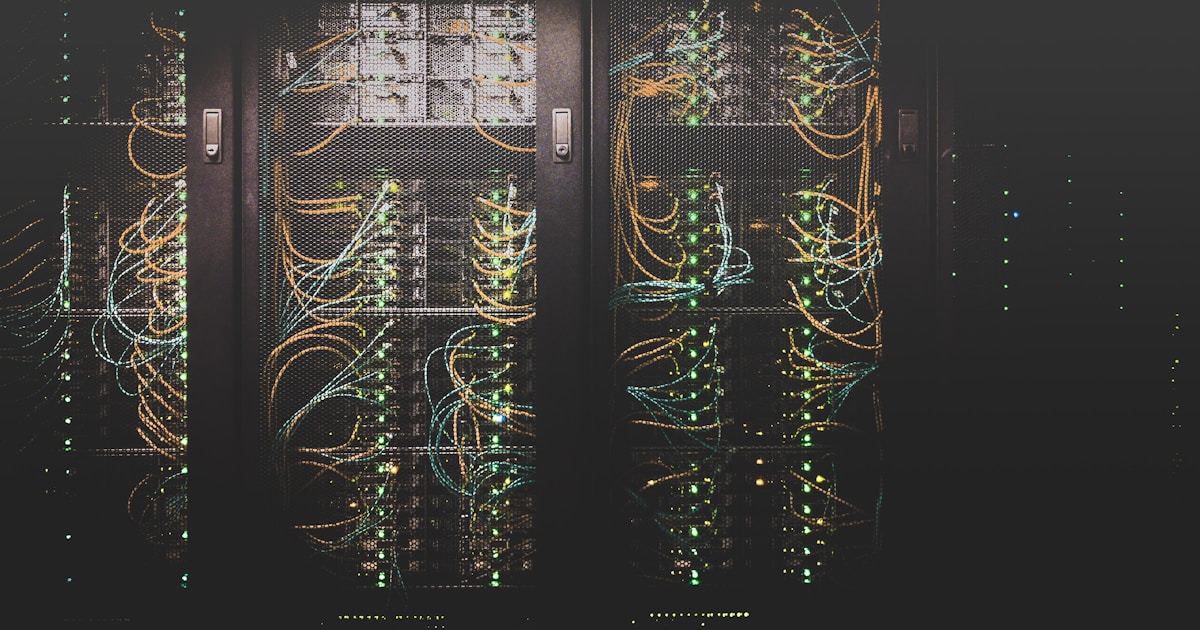
"क्लाउड" एक ही चीज़ नहीं है
इसमें गोता लगाने से पहले यह स्पष्ट होना मददगार है कि छोटे व्यवसाय के लिए "क्लाउड" वास्तव में क्या मायने रखता है। यह कोई एक उत्पाद नहीं है जिसे आप खरीदते हैं — यह कंप्यूटिंग सेवाओं की एक श्रेणी है जो इंटरनेट के माध्यम से प्रदान की जाती है, न कि आपके कार्यालय में रखे हार्डवेयर से।
जब लोग क्लाउड माइग्रेशन की बात करते हैं, तो उनका मतलब आमतौर पर निम्नलिखित में से कुछ संयोजन को स्थानांतरित करना होता है:
- फाइलें और दस्तावेज़ स्थानीय हार्ड ड्राइव या ऑन-प्रिमाइस सर्वरों से क्लाउड स्टोरेज (Google Drive, SharePoint, Dropbox) में
- ईमेल ऑन-प्रिमाइस Exchange सर्वरों से Microsoft 365 या Google Workspace में
- एप्लिकेशन जो वर्तमान में ऑफिस सर्वरों पर चल रहे हैं, क्लाउड-होस्टेड समकक्षों में
- डेटाबेस स्थानीय सर्वरों से प्रबंधित क्लाउड डेटाबेस सेवाओं में
- वेबसाइट और वेब एप्लिकेशन साझा होस्टिंग से क्लाउड इन्फ्रास्ट्रक्चर में
आपको इसे एक बार में सब कुछ करने की जरूरत नहीं है। अधिकांश छोटे व्यवसाय 12-24 महीनों में चरणों में माइग्रेट करते हैं, शुरुआत सबसे स्पष्ट लाभों से करते हैं।
छोटे व्यवसाय क्लाउड की ओर क्यों बढ़ रहे हैं
कारण अलग-अलग होते हैं, लेकिन कुछ बार-बार सामने आते हैं:
रिमोट वर्क स्थायी है — पिछले कुछ वर्षों ने साबित कर दिया है कि स्टाफ के ऑफिस में न होने पर भी व्यवसायों को कार्य करना होगा। क्लाउड सिस्टम पारंपरिक ऑन-प्रिमाइस सेटअप की तुलना में इसे काफी आसान बनाते हैं।
ऑफिस सर्वर पुराने हो रहे हैं — पांच साल पहले स्थापित सर्वर अब अपने जीवनकाल के अंत के करीब हैं। जब आप इसे बदलने का सवाल उठाते हैं, तो क्लाउड विकल्प अक्सर हार्डवेयर, रखरखाव और आईटी ओवरहेड को ध्यान में रखते हुए पांच साल के क्षितिज पर कम लागत वाले होते हैं।
बैकअप और आपदा पुनर्प्राप्ति — स्वचालित प्रतिकृति के साथ क्लाउड स्टोरेज बैकअप ड्राइव की तुलना में काफी अधिक विश्वसनीय है जो सर्वर के बगल में बैठा होता है।
सॉफ्टवेयर अपडेट स्वचालित रूप से होते हैं — अब मैन्युअल पैचिंग नहीं, न ही संस्करण संगतता संबंधी बुरे सपने।
उपयोग के अनुसार भुगतान करें — क्लाउड इन्फ्रास्ट्रक्चर आपकी वास्तविक जरूरतों के अनुसार स्केल करता है। आप साल में दो बार होने वाले पीक लोड के लिए अतिरिक्त सर्वर क्षमता बनाए रखने के लिए भुगतान नहीं कर रहे हैं।
पहले क्या स्थानांतरित करें
स्मार्ट माइग्रेशन अनुक्रम कम जोखिम, उच्च लाभ से शुरू होता है:
1. ईमेल और उत्पादकता टूल
यदि आप ऑन-प्रिमाइस Exchange चला रहे हैं, तो Microsoft 365 या Google Workspace में माइग्रेट करना आमतौर पर शुरुआत करने के लिए सबसे अच्छा स्थान है। जोखिम कम है, परिचालन सुधार तत्काल है (कैलेंडर शेयरिंग, मोबाइल एक्सेस, अंतर्निहित वीडियो कॉल), और यह सबसे रखरखाव-गहन ऑन-प्रिमाइस सिस्टम में से एक को हटा देता है।
2. फाइल स्टोरेज
साझा ड्राइव को SharePoint, Google Drive या इसी तरह के प्लेटफार्मों में स्थानांतरित करने का मतलब है कि फाइलें कहीं से भी पहुंच योग्य हैं, स्वचालित रूप से सिंक होती हैं, और बिना किसी मैन्युअल हस्तक्षेप के बैकअप होती हैं। अधिकांश छोटे व्यवसायों के लिए, यह अकेले ही माइग्रेशन प्रयास को उचित ठहराता है।
3. लाइन-ऑफ-बिजनेस एप्लिकेशन
यहां यह थोड़ा जटिल हो जाता है। आपके लेखांकन सिस्टम, CRM, या ERP जैसे एप्लिकेशन के क्लाउड संस्करण हो सकते हैं (उदाहरण के लिए QuickBooks Online बनाम QuickBooks Desktop)। अन्य मामलों में, आप एक कस्टम एप्लिकेशन चला सकते हैं जिसे क्लाउड होस्टिंग में स्थानांतरित करने की आवश्यकता है।
प्रत्येक एप्लिकेशन का अलग से मूल्यांकन करें: क्या क्लाउड संस्करण उपलब्ध है? क्या सुविधाओं में समानता है? माइग्रेशन में क्या शामिल है?
4. डेटाबेस और कस्टम सिस्टम
यह सबसे तकनीकी चरण है और जहां छोटे व्यवसायों को अक्सर बाहरी मदद की आवश्यकता होती है। डेटाबेस को AWS RDS या Azure SQL जैसे क्लाउड-प्रबंधित सेवाओं में स्थानांतरित करने में डेटा अखंडता सुनिश्चित करना, एप्लिकेशन में कनेक्शन स्ट्रिंग परिवर्तनों को संभालना और कटओवर की सावधानीपूर्वक योजना बनाना शामिल है।
लागतें: आप वास्तव में क्या भुगतान करते हैं
क्लाउड माइग्रेशन में दो लागत घटक होते हैं: माइग्रेशन लागत (एक बार) और निरंतर क्लाउड खर्च (आवर्ती)।
माइग्रेशन लागत छोटे व्यवसाय (10-50 कर्मचारियों) के लिए आमतौर पर जटिलता, स्थानांतरित किए जा रहे डेटा की मात्रा और आवश्यक कंसल्टेंट या डेवलपर समय के आधार पर $2,000 - $15,000 तक होती है।
निरंतर क्लाउड खर्च बहुत भिन्न होता है। Microsoft 365, Azure या AWS पर होस्ट किए गए 10 कर्मचारियों वाले व्यवसाय के लिए:
- Microsoft 365 Business Standard: ~$12.50/उपयोगकर्ता/माह = 10 उपयोगकर्ताओं के लिए $1,500/वर्ष
- व्यवसाय एप्लिकेशन के लिए क्लाउड होस्टिंग: आकार के आधार पर $50-300/माह
- Microsoft 365 में शामिल स्टोरेज से परे क्लाउड स्टोरेज: छोटे व्यवसाय के पैमाने पर न्यूनतम
ऑन-प्रिमाइस सर्वर बनाए रखने की तुलना करें: हर 4-5 साल में हार्डवेयर प्रतिस्थापन ($3,000-8,000), आईटी रखरखाव समय, बैकअप हार्डवेयर और सॉफ्टवेयर, बिजली। क्लाउड आमतौर पर 50 कर्मचारियों से कम व्यवसायों के लिए कुल लागत में जीतता है।
बचने योग्य सामान्य गलतियाँ
एक बार में सब कुछ स्थानांतरित करना — जो माइग्रेशन बहुत अधिक एक साथ करने की कोशिश करते हैं, वे अराजकता पैदा कर देते हैं। उचित क्रम बनाएं, अगले चरण पर जाने से पहले प्रत्येक चरण को मान्य करें।
कटओवर से पहले परीक्षण नहीं करना — क्लाउड में पूर्ण रूप से स्विच करने से पहले कम से कम एक सप्ताह के लिए दोनों वातावरणों को समानांतर में चलाएं। समस्याओं का पता तब लगाएं जब आपके पास वापसी का विकल्प हो।
इंटरनेट निर्भरता को नजरअंदाज करना — क्लाउड सिस्टम विश्वसनीय इंटरनेट की मांग करते हैं। यदि आपके ऑफिस का कनेक्शन खराब है, तो माइग्रेट करने से पहले इसे ठीक कर लें। इंटरनेट अब मूलभूत ढांचा है।
अनुपालन आवश्यकताओं को भूलना — यदि आपका व्यवसाय थाईलैंड के PDPA, सऊदी अरब के PDPPL, या GDPR-संबंधित नियमों के तहत व्यक्तिगत डेटा संभालता है, तो समझें कि आपका डेटा भौगोलिक रूप से कहां संग्रहीत किया जाएगा और अनुपालन निहितार्थ क्या हैं।
प्रशिक्षण समय को कम आंकना — ऑन-प्रिमाइस ईमेल से Microsoft 365 जैसे सरल परिवर्तनों के लिए भी कर्मचारियों को कुछ समायोजन की आवश्यकता होती है। इसके लिए समय का बजट बनाएं।
कैसे पता करें कि क्या आप तैयार हैं
शुरू करने से पहले एक सरल चेकलिस्ट:
- [ ] दस्तावेज़ तैयार करें कि आप वर्तमान में कौन से सिस्टम चला रहे हैं और वे क्या करते हैं
- [ ] पहचानें कि किन सिस्टमों के क्लाउड समकक्ष हैं और किन्हें कस्टम माइग्रेशन की आवश्यकता है
- [ ] अपने इंटरनेट कनेक्शन की गति और विश्वसनीयता की जांच करें
- [ ] अपने डेटा अनुपालन दायित्वों को समझें
- [ ] कम से कम 20% आकस्मिकता के साथ एक माइग्रेशन बजट निर्धारित करें
- [ ] माइग्रेशन का समन्वय करने के लिए एक आंतरिक व्यक्ति को नामित करें
- [ ] कम जोखिम से उच्च जटिलता तक माइग्रेशन अनुक्रम की योजना बनाएं
आपको इसे अकेले करने की जरूरत नहीं है
अधिकांश छोटे व्यवसायों के लिए, आईटी कंसल्टेंट या प्रबंधित सेवा प्रदाता द्वारा माइग्रेशन को संभालना लागत के लायक है। सही तरीके से किया गया माइग्रेशन में हफ्तों लगते हैं। गलत तरीके से किया गया माइग्रेशन महीनों तक उलझा सकता है, जिसमें डेटा हानि और परिचालन व्यवधान की संभावना होती है।
Bycom Solutions खाड़ी और भारत में व्यवसायों को क्लाउड माइग्रेशन की योजना बनाने और उसे क्रियान्वित करने में मदद करता है। हमारी टीम से संपर्क करें — हम आपके वर्तमान सेटअप का ऑडिट करेंगे और आपके बजट और समयरेखा के अनुरूप एक माइग्रेशन योजना की सिफारिश करेंगे।
संबंधित सेवाएं:
- होस्टिंग एवं सपोर्ट — प्रबंधित क्लाउड इन्फ्रास्ट्रक्चर और DevOps सपोर्ट
- रणनीति एवं परामर्श — प्रौद्योगिकी रोडमैप और क्लाउड तत्परता मूल्यांकन
Written by
Bycom Solutions